Addiction is a challenge no attorney should face alone. The pressures of the legal profession, including long hours, demanding clients, and high-stakes cases, can make lawyers particularly vulnerable to substance use disorders. Recovery is possible, but it often requires more than individual effort. Peer support, especially through lawyer-focused assistance programs, provides understanding, accountability, and guidance from professionals who truly know the unique pressures of the legal field.
Understanding Lawyer-Focused Assistance Programs
What These Programs Offer
Lawyer-focused assistance programs are specialized services designed to support attorneys struggling with addiction and mental health challenges. These programs provide confidential counseling, peer support groups, and referrals to inpatient or outpatient treatment programs tailored to the needs of legal professionals. They understand the ethical concerns, career implications, and personal pressures that come with practicing law.
The Importance of Confidentiality
Confidentiality is critical in recovery for attorneys. Fear of judgment or potential professional consequences can prevent lawyers from seeking help. Specialized programs ensure that support is discreet, allowing attorneys to receive the care they need without jeopardizing their professional reputation.
How Peer Support Enhances Recovery
Shared Experiences and Understanding
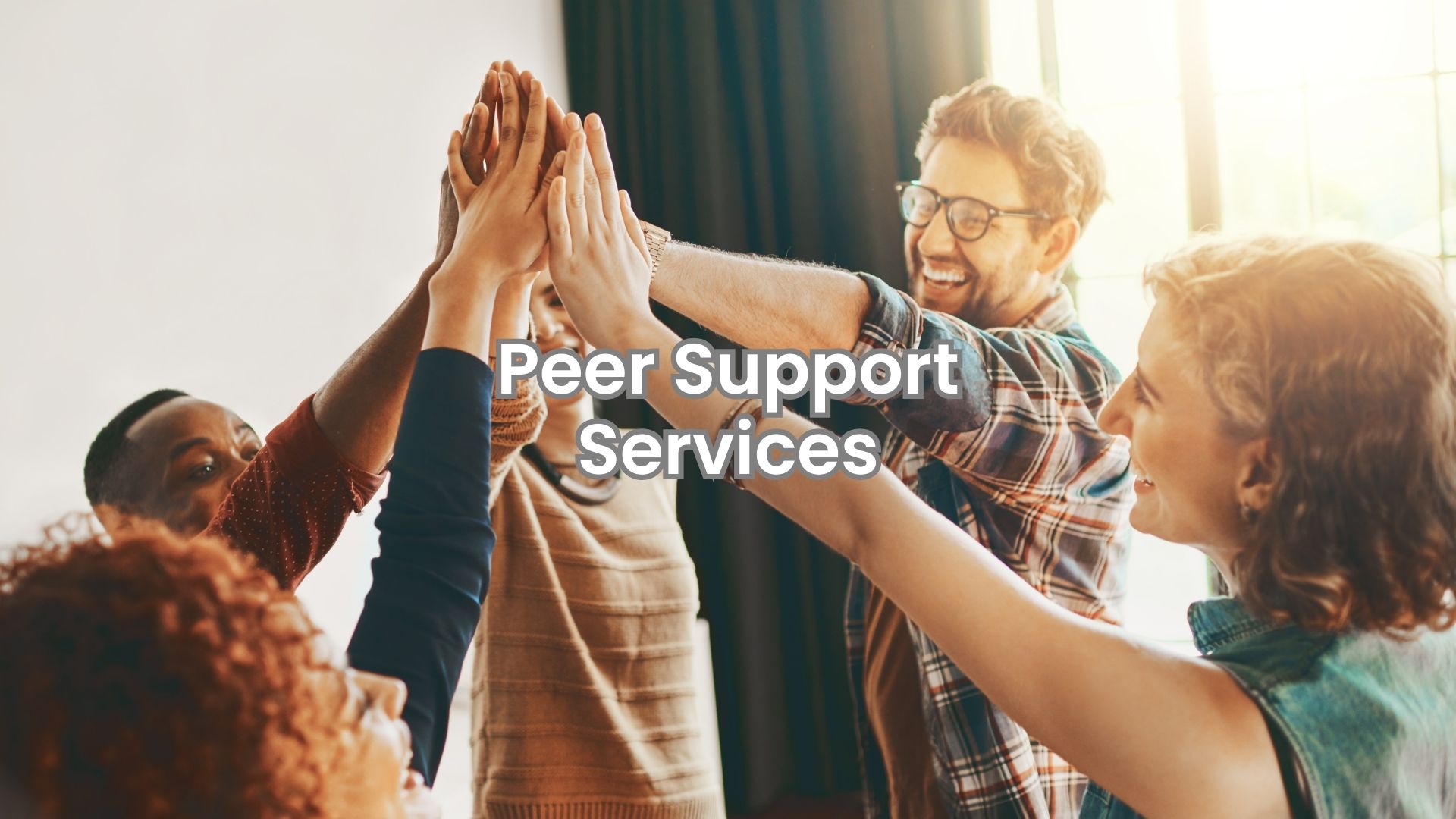
Peer support connects attorneys with others who have faced similar challenges. Sharing experiences with colleagues who understand the unique pressures of the legal profession creates a sense of community and reduces feelings of isolation. This mutual understanding fosters trust and encourages honest dialogue about struggles with addiction.
Accountability and Motivation
Regular meetings and check-ins within peer support groups provide accountability, helping attorneys maintain sobriety and adhere to treatment plans. Knowing that others are invested in your success can be a powerful motivator, especially during difficult moments in recovery.
Complementing Professional Treatment
Peer support works best when combined with professional treatment services. Inpatient and outpatient programs, therapy, and holistic care provide the foundation for recovery, while peer networks offer ongoing encouragement and guidance. This combination ensures comprehensive support for mind, body, and spirit.
Holistic and Faith-Based Integration
Many lawyer-focused programs also incorporate holistic and faith-based approaches. Mindfulness practices, physical wellness routines, nutrition counseling, and spiritual guidance strengthen resilience and support long-term sobriety. Integrating these elements helps attorneys develop coping skills that address both personal and professional stressors.
Finding the Right Program
Attorneys seeking peer support should explore programs affiliated with state or local bar associations, Lawyer Assistance Programs, or reputable recovery providers specializing in legal professionals. Look for services that offer confidential support, individualized care, and access to both professional treatment and peer networks.
Conclusion
Recovery is a journey best traveled with guidance, understanding, and support. Lawyer-focused assistance programs provide attorneys with peer connections, professional resources, and holistic care that together transform the recovery process. If you are struggling with addiction or mental health challenges, reaching out to a specialized program today can help you regain control of your life, protect your career, and build lasting sobriety. Taking the first step toward support is a sign of strength and a commitment to both personal and professional well-being.