Monthly Archives: October 2025

Behind the Briefcase: A Lawyer’s Guide to Recognizing Addiction Early

The life of a lawyer is often defined by precision, responsibility, and relentless dedication. Long hours, high-stakes cases, and constant client demands can take a heavy toll on both mental and physical health. For many legal professionals, these pressures can quietly lead to substance use as a way to cope. Recognizing addiction early is critical to preventing long-term consequences, both personally and professionally. At Addicted-Attorneys.com, we provide confidential, compassionate support tailored to the unique needs of attorneys navigating the challenges of addiction.


Why Early Recognition Matters

The Hidden Risk in Legal Practice

Attorneys are trained to manage stress, analyze risks, and maintain composure under pressure. While these skills are invaluable in the courtroom, they can also mask the warning signs of addiction. Early recognition allows lawyers to seek help before substance use escalates into a serious problem, protecting careers, relationships, and overall well-being.

The Cost of Ignoring the Signs

Addiction left unaddressed can lead to health complications, impaired judgment, and professional consequences. For legal professionals, it can also compromise ethical responsibilities and client trust. Detecting problems early increases the likelihood of successful recovery and reduces the impact on personal and professional life.


Common Warning Signs of Addiction in Lawyers

Behavioral Changes

Changes in mood, irritability, or withdrawal from colleagues and loved ones can indicate underlying struggles. Attorneys who once thrived under pressure may become unusually anxious, defensive, or socially isolated.

Performance Issues

Declining work quality, missed deadlines, or difficulty concentrating are often early indicators. Attorneys may compensate by working longer hours, which can further exacerbate stress and reliance on substances.

Physical Symptoms

Fatigue, changes in appetite or sleep, and unexplained health issues can signal substance misuse. These signs may be subtle but often appear alongside emotional and behavioral changes.


How to Approach the Situation

Self-Assessment and Reflection

Attorneys should periodically evaluate their stress levels, coping strategies, and relationship with substances. Honest self-reflection can identify early patterns of reliance before they develop into full-blown addiction.

Seeking Confidential Help

Professional support is crucial. Addiction recovery services, including inpatient and outpatient care, provide structured environments for healing. At Addicted-Attorneys.com, we offer confidential, individualized programs that respect the unique pressures faced by legal professionals.

Holistic and Faith-Based Approaches

Our programs incorporate holistic strategies such as mindfulness, nutrition, and fitness, alongside faith-based counseling for those seeking spiritual guidance. This comprehensive approach addresses both the physical and emotional aspects of recovery, promoting long-term wellness.


Taking the First Step Toward Recovery

Recognizing addiction early is not a sign of weakness; it is a step of courage and self-awareness. Attorneys who seek help regain control over their lives, strengthen their relationships, and preserve their professional integrity.

If you or someone you know in the legal profession is struggling with substance use, reach out to Addicted-Attorneys.com. Our compassionate, confidential care is designed to help legal professionals reclaim their health, balance, and future. The first step toward recovery begins with acknowledging the problem and taking action today.


Breaking Point: How the Legal Culture Fuels Addiction and What Can Be Done

The legal profession is built on precision, endurance, and unwavering commitment. Attorneys are trained to think critically under pressure, to argue with confidence, and to maintain composure even when the stakes are high. Yet behind this culture of control lies a troubling truth: the same values that drive professional excellence often contribute to addiction and burnout. At Addicted-Attorneys.com, we understand that lawyers face unique pressures that can push them to the breaking point. Our goal is to help legal professionals find balance, healing, and lasting recovery through compassionate, confidential care.


The Hidden Pressures of Legal Life

Perfectionism and Fear of Failure

From the first day of law school, attorneys are taught that mistakes are unacceptable. The drive to be perfect creates immense internal pressure. Many lawyers fear that showing weakness or admitting stress will be seen as incompetence. Over time, this need to maintain control can lead to emotional exhaustion and a dangerous reliance on alcohol, stimulants, or other substances to cope.

A Culture of Competition

Law firms often reward long hours and high productivity. Success is measured by billable hours, client wins, and peer recognition. This competitive environment can make it difficult for lawyers to step back, rest, or prioritize their mental health. For some, substance use becomes a way to sustain performance, stay alert, or simply escape the constant grind.

Emotional Isolation

Legal professionals are often exposed to high-conflict situations and emotionally draining cases. Yet they rarely have safe spaces to express how these experiences affect them. The expectation to remain strong and objective can lead to deep emotional isolation. Without proper support, lawyers may turn to substances to manage the pain they cannot share.


The Consequences of an Unhealthy Culture

When stress, isolation, and perfectionism collide, the impact can be devastating. Addiction affects more than just personal health. It can damage reputations, careers, relationships, and even the integrity of the legal system. Many attorneys silently battle addiction out of fear of losing their professional standing, unaware that help can be both confidential and effective.


Changing the Culture: What Can Be Done

1. Encouraging Open Dialogue

The first step toward change is breaking the silence. Law firms, bar associations, and legal organizations must foster open conversations about addiction and mental health. Normalizing these discussions can reduce stigma and encourage more professionals to seek help early.

2. Prioritizing Mental Health Resources

Legal organizations should provide access to mental health and addiction recovery resources. This includes employee assistance programs, peer support networks, and partnerships with specialized treatment providers like Addicted-Attorneys.com.

3. Supporting Holistic Recovery

Recovery is not just about ending substance use. It is about restoring balance to the mind, body, and spirit. At Addicted-Attorneys.com, we offer holistic programs that combine therapy, mindfulness, nutrition, and spiritual care to support lasting wellness.


A Path Forward: Healing and Hope

No attorney should have to face addiction alone. The pressures of the profession may be intense, but recovery is possible with the right support. Our treatment programs include:

  • Inpatient and Outpatient Care tailored to your needs
  • Mental Health Support for co-occurring depression, anxiety, and trauma
  • Faith-Based and Holistic Healing options for whole-person recovery
  • Confidential, Individualized Treatment Plans designed for professionals

At Addicted-Attorneys.com, we believe that strength comes not from denial but from the courage to seek help.


It’s Time to Break the Silence

The legal profession demands resilience, but no one can carry the weight of constant pressure alone. Addiction does not discriminate, and it is not a sign of weakness. It is a human response to overwhelming stress. With understanding, compassion, and the right care, attorneys can reclaim their lives and rebuild both their confidence and careers.

If you or someone you know is struggling, reach out today. Addicted-Attorneys.com is here to help legal professionals find hope, healing, and freedom from addiction. The first step toward recovery starts with a single, courageous decision to ask for help.

Billable Hours, Unbillable Pain: The Silent Struggle with Substance Abuse in Law

The life of a lawyer is often defined by billable hours, client demands, and the pursuit of professional excellence. Yet behind the meticulous work and courtroom victories, many attorneys face a private struggle that goes unnoticed: substance abuse. The pressures of legal practice, combined with stigma and isolation, create a perfect storm for addiction. At Addicted-Attorneys.com, we provide confidential, compassionate care specifically designed for attorneys navigating these challenges.


Why Lawyers Are Vulnerable to Substance Abuse

The Pressure of Perfection and Performance

Legal professionals are trained to pursue perfection. The expectation to deliver flawless work, meet client expectations, and maintain a spotless record can be overwhelming. For many attorneys, the resulting stress is a heavy burden that can lead to unhealthy coping strategies, including alcohol and drug use.

Long Hours and Emotional Fatigue

Billable hours often define an attorney’s worth in a firm. Long days, late nights, and emotionally taxing cases leave little time for self-care. The combination of exhaustion and high expectations can make substances seem like an appealing way to manage stress or regain energy.

Isolation and Stigma

Despite the prevalence of substance abuse in law, many attorneys suffer in silence. Fear of judgment, professional repercussions, and damage to reputation discourages them from seeking help. This stigma deepens isolation and allows unhealthy habits to escalate unnoticed.


The Signs of Struggle

Recognizing the early warning signs of addiction is critical. Common indicators among legal professionals include:

  • Increased reliance on alcohol or prescription drugs to manage stress
  • Mood swings, irritability, or withdrawal from colleagues and family
  • Declining productivity or missed deadlines
  • Persistent fatigue or difficulty maintaining focus

Early intervention can prevent these struggles from developing into long-term addiction and professional consequences.


Specialized Support for Attorneys

At Addicted-Attorneys.com, we understand that lawyers face unique challenges when it comes to addiction. Our programs are confidential, flexible, and tailored to meet the needs of legal professionals.

Our Core Services Include:

  • Inpatient and Outpatient Care for different levels of support
  • Dual Diagnosis Treatment to address both mental health and substance use disorders
  • Holistic Therapies including mindfulness, yoga, and nutrition to restore balance
  • Faith-Based Counseling for those seeking spiritual guidance in recovery
  • Relapse Prevention Planning to support long-term stability and professional continuity

Our approach treats the whole person, not just the addiction, helping attorneys reclaim their health, relationships, and careers.


Breaking the Silence

Substance abuse in law often remains hidden because of shame, fear, and professional pressure. Yet recovery is possible, and asking for help is a sign of strength. By addressing addiction openly, legal professionals can rebuild their lives, regain their confidence, and maintain their careers without sacrificing well-being.


Taking the First Step

The pain behind the briefcase does not have to go unaddressed. If you or someone you know is struggling with substance use, confidential help is available. At Addicted-Attorneys.com, we provide compassionate, individualized care designed specifically for attorneys.

Recovery begins with one decision: to reach out. Take the first step today and reclaim your life, your health, and your future.

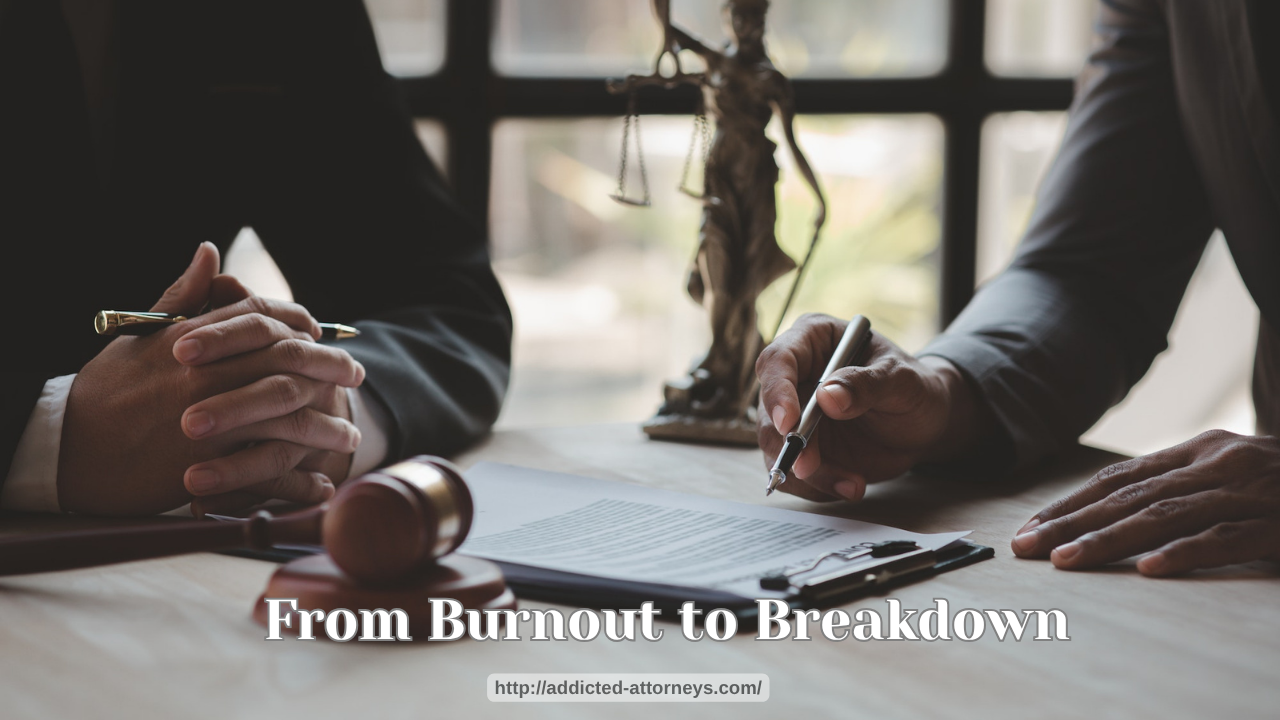
From Burnout to Breakdown: Why Lawyers Are at High Risk for Addiction

The legal profession is often associated with prestige, intellect, and resilience. Yet behind the reputation of success lies an alarming reality: lawyers are among the professionals most vulnerable to addiction. The pressures of long hours, demanding clients, and constant exposure to conflict can push even the strongest attorneys from burnout into breakdown. For many, substances become a coping mechanism, but over time, this reliance can spiral into addiction. At Addicted-Attorneys.com, we specialize in helping legal professionals confront these challenges with confidential, compassionate, and effective treatment.


The Link Between Burnout and Addiction

The Weight of Constant Stress

Lawyers face relentless deadlines, overwhelming caseloads, and the pressure of achieving favorable outcomes for clients. This high-stakes environment creates chronic stress, which can erode mental health and increase the temptation to use alcohol, stimulants, or prescription medications for relief.

Burnout as a Warning Sign

Burnout is more than fatigue. It is a state of emotional exhaustion, cynicism, and decreased professional performance. For many attorneys, burnout becomes the tipping point. Without intervention, it can open the door to unhealthy coping strategies that eventually evolve into substance abuse.


Why Lawyers Are Especially Vulnerable

The Culture of Perfectionism

Perfectionism is ingrained in the legal profession. Attorneys are expected to deliver flawless work and uphold high ethical standards. This culture leaves little room for vulnerability, making it difficult for professionals to admit when they are struggling. Instead of seeking help, many turn inward, often relying on substances to manage the pressure.

Isolation and Stigma

The stigma surrounding addiction in the legal community prevents many from reaching out. Fear of damaging their reputation, career, or relationships often keeps attorneys silent. This isolation can intensify feelings of hopelessness and increase reliance on harmful coping mechanisms.


Recognizing the Path Toward Breakdown

Addiction often develops quietly. It may start with a drink after work to relax or medication to get through long hours. Over time, this reliance grows until it impacts both personal life and professional responsibilities. Warning signs include:

  • Increased irritability and mood swings
  • Declining quality of work or missed deadlines
  • Withdrawing from family, friends, or colleagues
  • Needing substances to feel functional or manage stress

Recognizing these signs early is critical to preventing burnout from progressing into full breakdown.


A Path Toward Healing

At Addicted-Attorneys.com, we understand the unique pressures of legal practice. That is why our recovery programs are tailored to meet the needs of attorneys and legal professionals.

Our Programs Include:

  • Inpatient and Outpatient Treatment to fit different stages of recovery
  • Mental Health Support for conditions like depression, anxiety, or trauma that often accompany addiction
  • Holistic Healing with mindfulness, nutrition, and fitness to restore balance
  • Faith-Based Options for those who value spiritual guidance in their recovery journey
  • Relapse Prevention Planning to help professionals maintain long-term sobriety and career stability

Breaking the Cycle

Addiction does not define a person’s career or worth. Burnout and breakdown are signs that the pressure has become too great to handle alone, not signs of weakness. With the right support, attorneys can heal, rebuild, and thrive both personally and professionally.

If you or someone you know in the legal profession is struggling with addiction, it is never too late to seek help. At Addicted-Attorneys.com, we provide confidential, compassionate care designed for attorneys who need a safe place to recover. Take the first step today. Your path to healing begins here.